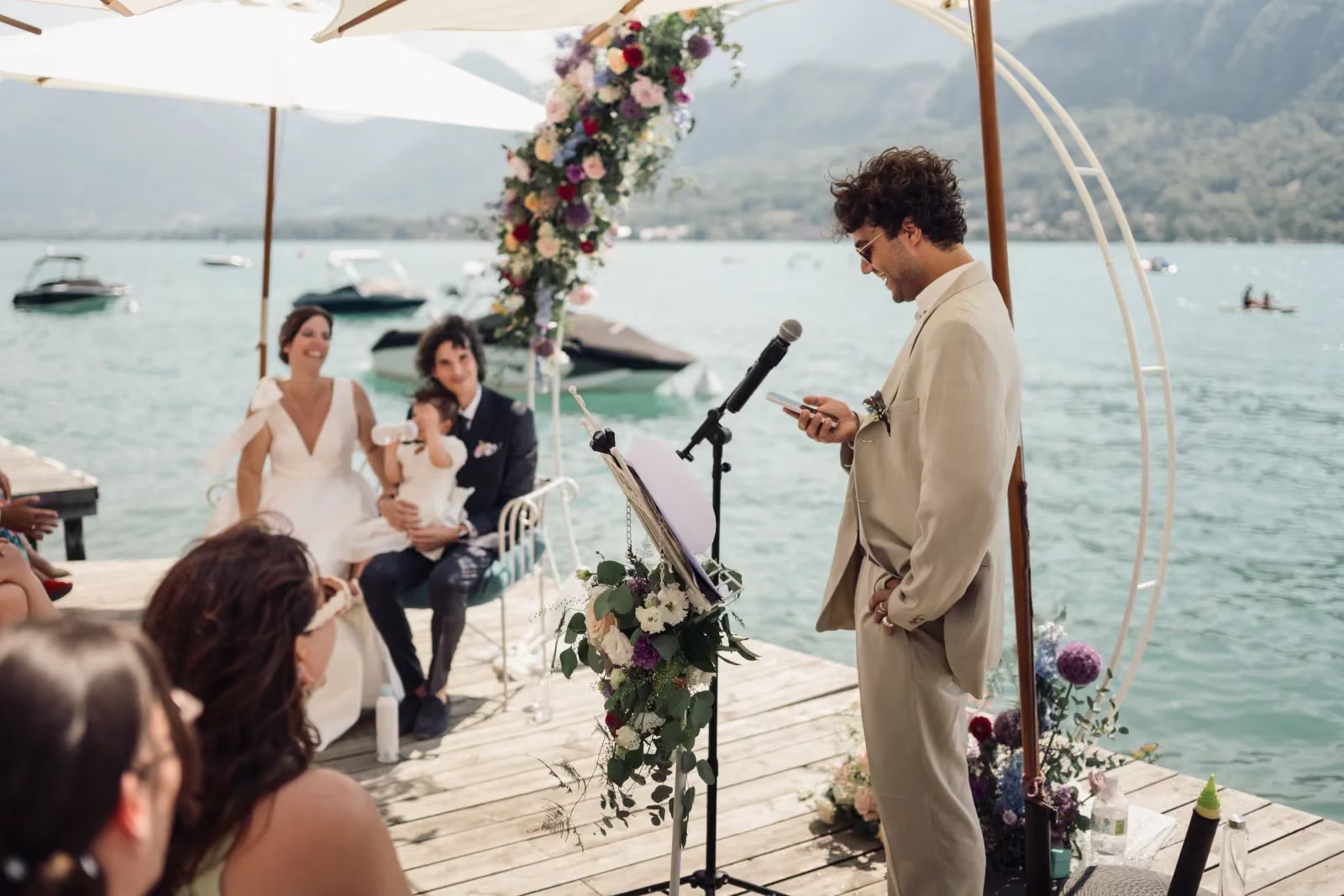
Keeping the voices,
not only the images.
How I prepare for and record vows, speeches and unexpected words that give a wedding film another layer of meaning.
Sound is planned early.
I prepare the speaking moments with you and your suppliers, then use small standalone recorders close to the voices. The cameras provide backup sound sources. Dedicated recording of vows and speeches is included in The Essential and The Story; The Keepsake focuses on images and atmosphere.
That is why I talk about sound with couples in my brochure, then again during our first video call. The place given to vows and speeches in the final film is directly connected to the collection they choose. It is far better to clarify this early than to discover a few days before the wedding that there will be a secular ceremony, several speeches and a series of surprises.
I ask what kind of ceremony is planned, whether the couple will read personal vows, whether witnesses or relatives will speak, and whether surprises are expected during dinner. I also ask if there is an MC, a wedding planner or a trusted person who can give me a more accurate timeline.
I do not need the texts beforehand. What I need is to know when a voice is going to matter, so I can be ready without interrupting the moment.
“An imperfect image can be replaced by another one. A vow that was not recorded is lost for good.”Laurent Henry
Knowing who will speak and when.
A wedding day never follows a schedule perfectly. A speech can be brought forward, a witness may decide to speak at the last minute, and a surprise is meant to remain a surprise for the couple. The aim is not to control everything. It is to build a reliable flow of information.
When the couple does not know the details, I ask for the number of someone who does: a sibling, witness, MC or wedding planner. They can give me a quiet warning before someone speaks and leave me enough time to place or activate the recorders.
If a DJ is present, I also like to speak with them beforehand. I do not need to rely on their mixing desk, but I want to understand their setup and make sure I can attach my own recorder to the main handheld microphone. One minute of preparation can prevent many problems.
Several sources,
one purpose.
For speeches, I attach small recorders directly to the microphones people hold. They record locally and work independently. I am not relying on the DJ’s connectors, their mixing desk or a cable that might be unplugged at the wrong time.
This also means that if the venue microphone is muted, badly adjusted or starts feeding back, my recorder is still close to the actual voice. At the same time, my cameras keep recording the general sound of the room and ceremony. I always want one close source and one or more backups.
Close to the voice
A small independent recorder follows the handheld microphone used for a vow or speech.
A monitored camera feed
I can watch the signal while someone is speaking and quickly spot a cut or a muted microphone.
Ambient backup
Camera microphones retain a continuous recording of the ceremony, room and guests’ reactions.

Preparing for problems without burdening the day.
I have experienced microphone cuts. They can be caused by a poor connection, a mute button pressed by accident, or something being unplugged on a day when every supplier is working under pressure. In those cases, camera backup sound may not be as clean, but it keeps the words from disappearing entirely.
The setup still needs to be discreet. I usually install the recorders during the drinks reception or shortly before the relevant moment, without taking the couple away from their guests. For a surprise speech, I keep the main microphone ready and activate the recording as soon as the person begins.
I also remind couples that they can take their time. They do not need to rush because people are watching. If I need a few seconds to check a source, those seconds matter less than preserving what they are about to say.
Recording something more private.
Not everyone feels comfortable reading personal words in front of a crowd. When the schedule allows it, I increasingly suggest reserving a quiet moment during preparations. In a separate room, each person can record a message for the other, sometimes on camera and sometimes as audio only.
The voice is closer, the room is quieter and the person feels less rushed. These sentences can then appear elsewhere in the film. They create a link between preparations, ceremony and couple portraits without turning the whole film into a long interview.
This fits the way I work. My films remain rooted in music, rhythm and images, with voices passing through them in carefully chosen moments. I am not trying to fill the film with words. I want to keep the words that give it meaning.

After the wedding,
listening before editing.
When I return, the files are copied onto three separate drives: a working SSD, an external hard drive and a backup drive. I also keep the original cards for as long as possible before they are reused. The same care applies to pictures and sound.
Before building the film, I listen to every vow and speech in full. I mark the lines that reveal something about the couple, respond to an image or shift the emotion at a precise point. Words about the bride can accompany her preparations; a parent’s sentence can find its place after the ceremony; sometimes a breath matters as much as a complete sentence.
I then clean what can be cleaned: hiss, room reverberation, background noise, wind and small distortions. The aim is not to make a voice sound artificial, but to make it clear. The final edit stays hybrid: a music-led film punctuated by fragments of voice, avoiding both long speech sequences and stretches of imagery with no sense of atmosphere.
How much space should voices have?
The three collections do not include the same level of sound recording. The choice is made before the wedding, according to how important vows, speeches and the story behind the day are to you.
The essentials in pictures.
The collection focuses on the visual story of the day. The “I dos” and general atmosphere may be heard, but speeches are not recorded with a dedicated setup.
Vows and speeches.
The ceremony and speeches are recorded through several sources. Selected excerpts become part of the film, and speech audio files are delivered separately.
A more personal narrative.
Full wedding-day sound recording is enriched by a filmed conversation before the wedding. Your own words meet the vows, speeches and images from the day.
What you need to plan.
Are all vows and speeches recorded?
Dedicated recording is included in L’Essentiel and L’Histoire. Le Souvenir focuses on the images and does not include dedicated speech recording.
Do we need to send the texts beforehand?
No. I mainly need the timeline, the names of the people who will speak and a contact who knows about any surprises.
What if the venue microphone cuts out?
I do not rely solely on the venue sound system. My recorders are independent and the cameras retain backup sources.
Are the speech audio files delivered?
Yes. With L’Essentiel, the speech audio recordings are delivered separately alongside the finished film.
How should we handle a surprise speech?
Give me the details of a witness, relative or wedding planner who knows the plan. They can quietly warn me just before the person speaks.
Your wedding, your voices
Choose a film that keeps what matters to you.
Explore the three collections, then simply check whether your wedding date is still available.
Explore the collections